Trump Visits China

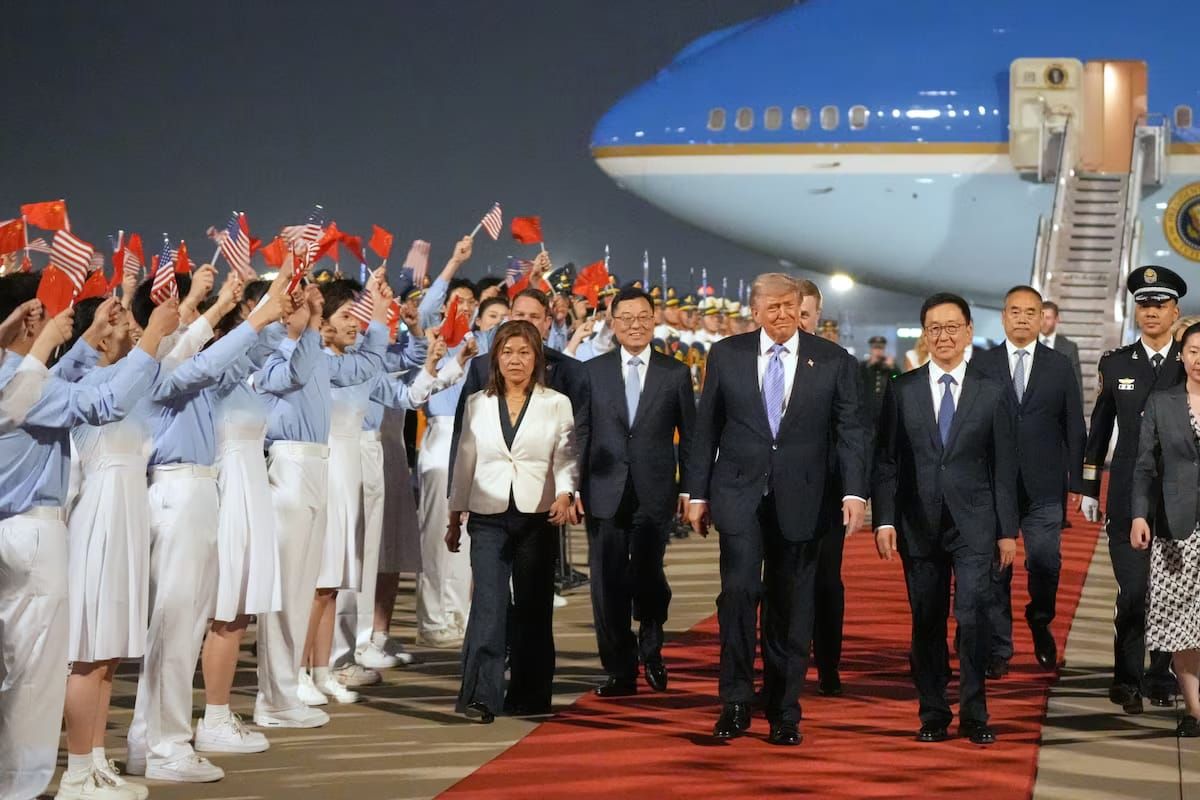
President Trump flew home from China on Friday after his first trip to China during his current term—a two-day summit with Chinese President Xi Jinping at the Great Hall of the People. Speaking aboard Air Force One, President Trump described a series of Chinese trade commitments— including promises to buy American oil, soybeans, and Boeing airplanes—though the practical details remain unclear.
President Trump brought an impressive delegation of more than a dozen top American business leaders on the trip, including Elon Musk (Tesla/SpaceX), Tim Cook (formerly Apple), Dina Powell McCormick (Meta), Kelly Ortberg (Boeing), David Solomon (Goldman Sachs), Larry Fink (BlackRock), Stephen Schwarzman (Blackstone), Jane Fraser (Citigroup), Cristiano Amon (Qualcomm), and Larry Culp (GE Aerospace). Each CEO was required to bring a "tangible ask"—a specific regulatory request or commercial condition—to direct to Chinese leaders.
China primarily buys oil from Iran and Venezuela, which have been effectively cut off by American action. Tim Stewart, president of the U.S. Oil and Gas Association, said that “China needs crude, … [and] we have it. It will cost them more than they have been paying. But they have to get it somewhere.” And the U.S. needs rare earth minerals, which China holds and often restricts from being exported.
All in all, the trip was heavy on pageantry and light on details for the public. Xi offered several frosty warnings to the U.S. delegation. On Taiwan, he said that mishandling the dispute could lead to “conflicts,” telling President Trump this issue is the most important in China-U.S. relations. For President Trump’s part, he later said that Xi “feels very strongly” on the matter but added, “I made no commitment either way,” and “the last thing we need right now is a war that's 9,500 miles away.” President Trump also said he hasn’t decided whether to move forward with a major arms package for Taiwan, and reported that Xi promised to stop selling weapons to Iran—a pledge that will have to be tested in practice. President Xi will reportedly visit the White House in September.
More News
🇮🇷 NY Times: Iran missile sites restored: According to The New York Times, classified intelligence assessments from earlier this month indicate Iran has regained access to most of its missile sites, launchers, and underground facilities. The findings question public assurances that Iran's military was “decimated.” This report claims that Iran has restored operational access to 30 of 33 missile sites along the Strait of Hormuz, retained roughly 70% of its prewar missile stockpile and mobile launchers, and has regained access to about 90% of its underground storage and launch facilities.
🇨🇺 CIA chief in Havana: Following a visit of Secretary of State Marco Rubio to Cuba last week, CIA Director John Ratcliffe visited Cuba on Thursday to meet with intelligence officials and Raúl Guillermo "Raulito" Rodríguez Castro, grandson of former leader Raúl Castro. This comes as the U.S. effectively holds an oil embargo on the island. Cuba's energy minister said Wednesday night that the country had run out of fuel oil and diesel, with blackouts potentially exceeding 20–22 hours per day.
🏠 Cost-of-living rises: As inflation creeps higher to 3.8%, 77% of Americans, including a majority of Republicans, say they believe President Trump's policies have driven up the cost of living in their own community. Asked whether Americans' financial struggles were motivating his push for an Iran deal, he replied, “Not even a little bit,” adding, “I don't think about Americans’ financial situation.” But the President has also said that in spite of the economic repercussions, he believes the price is worth it, in service of his quest to keep Iran from obtaining a nuclear weapon.
🕵️♀️ CA mayor was a Chinese agent: Eileen Wang, the Democrat mayor of Arcadia, California (a suburb of LA), resigned this week after announcing that she will plead guilty to working with the People's Republic of China to boost Chinese propaganda on U.S. soil between 2020 and 2022. Court documents say Wang ran a website called “U.S. News Center” that advertised itself as a Chinese American news source but was publishing material straight from Beijing.
🏦 Warsh confirmed at Fed: The Senate confirmed Kevin Warsh, 54–45, as the 17th Federal Reserve chair.
💊 Makary out: Marty Makary resigned as FDA commissioner, just one day before a scheduled Senate hearing. Some say he feared having to defend the administration’s decision to remove restrictions on fruit-flavored vapes.
🏘️ Neighbors increasingly less likely to socialize: Americans— especially young adults—are socializing less with their next door neighbors at a rate that is fast going the wrong direction, per a new AEI report. In 2012, 51% of young Americans regularly engaged with neighbors; today that number is just 25%. Across all ages, the share who chatted with neighbors a few times per week dropped from 59% in 2012 to 40% last year, with lead researcher Daniel Cox saying that technology deserves some of the blame.
Good News
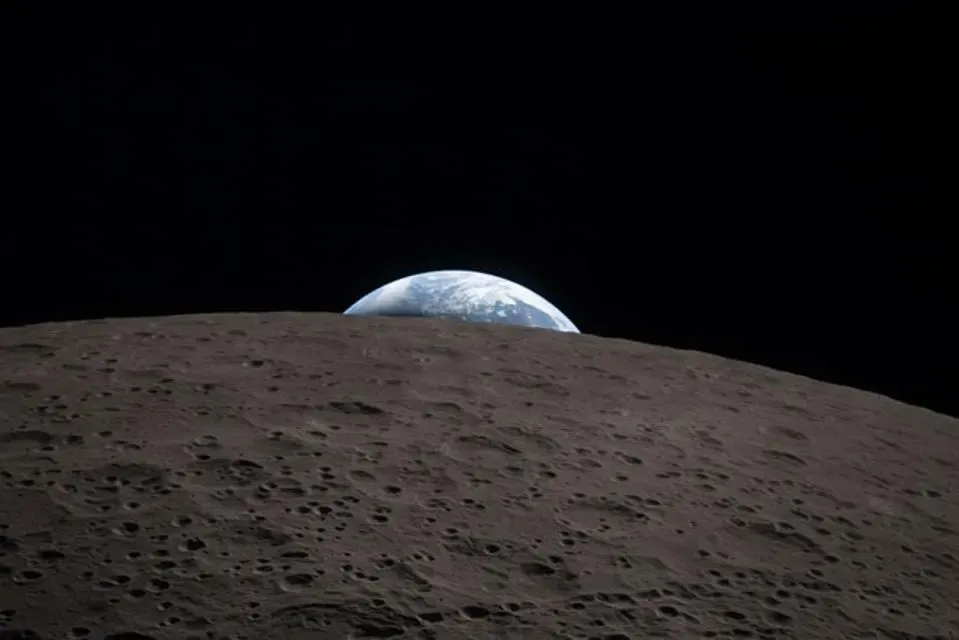
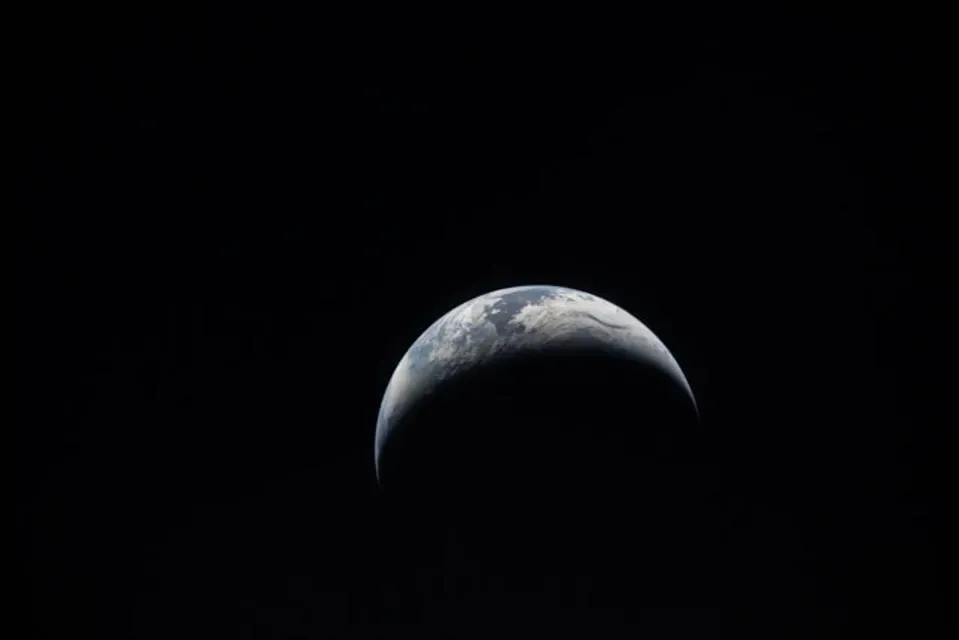
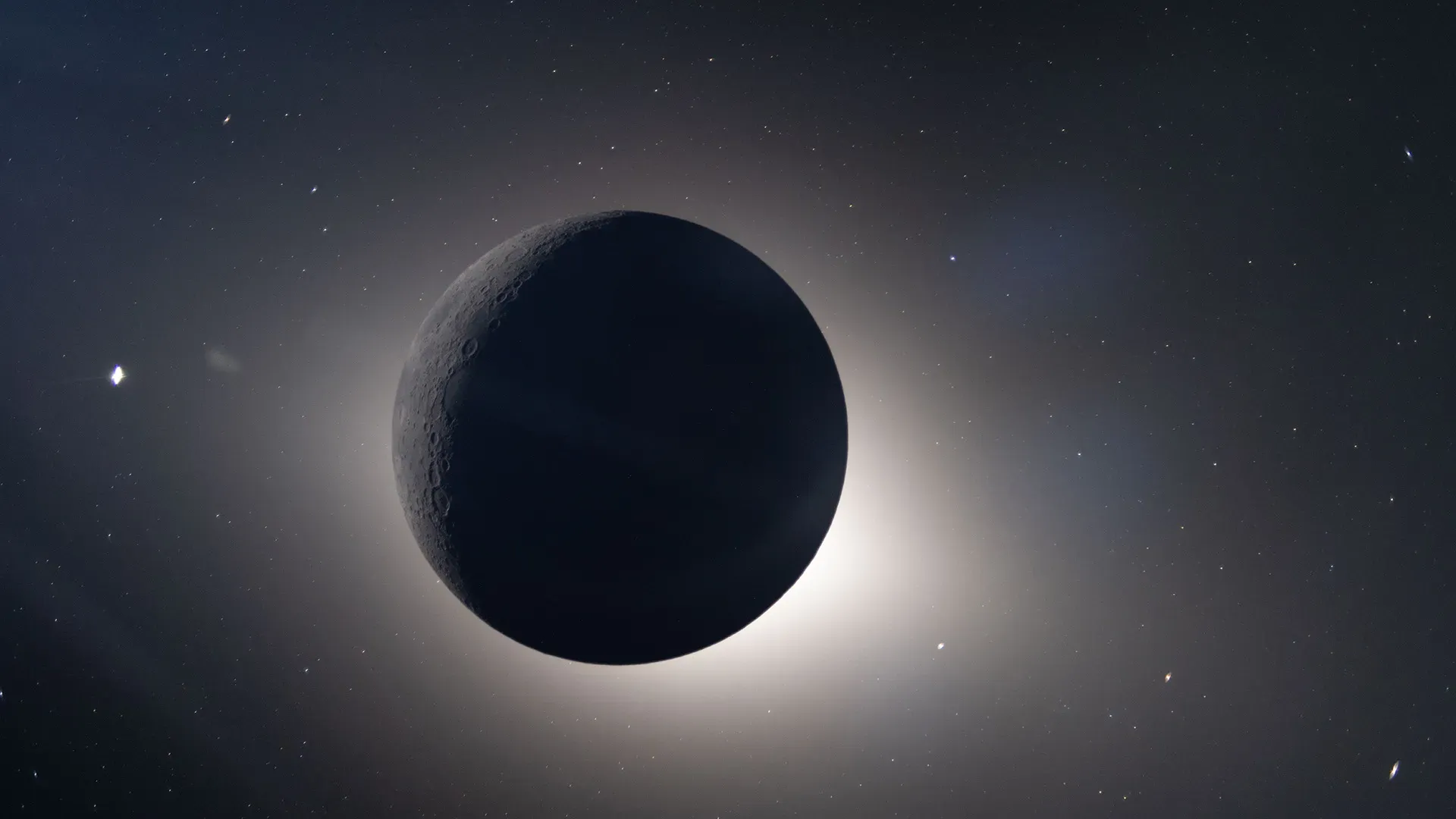
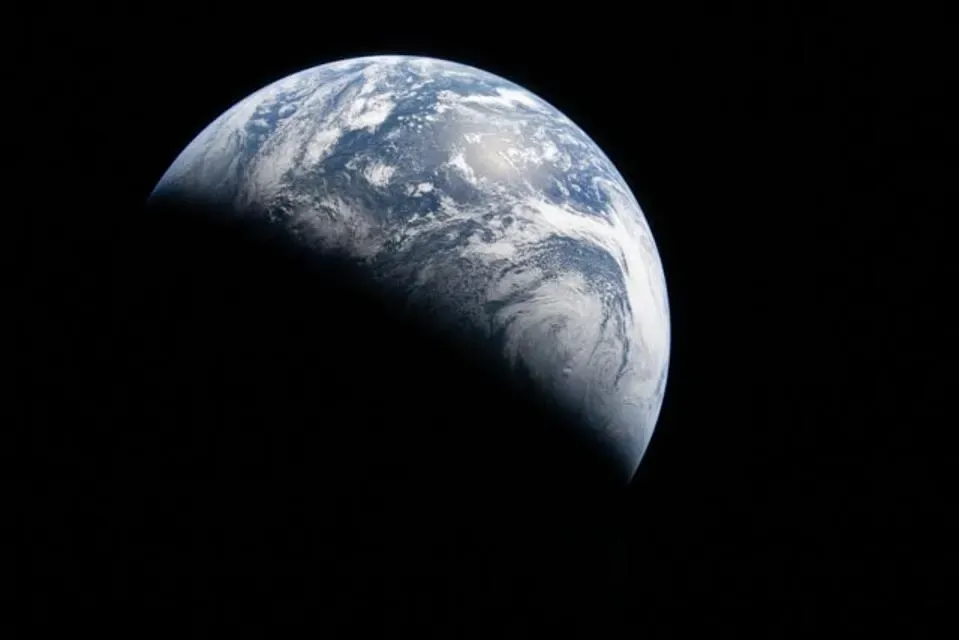
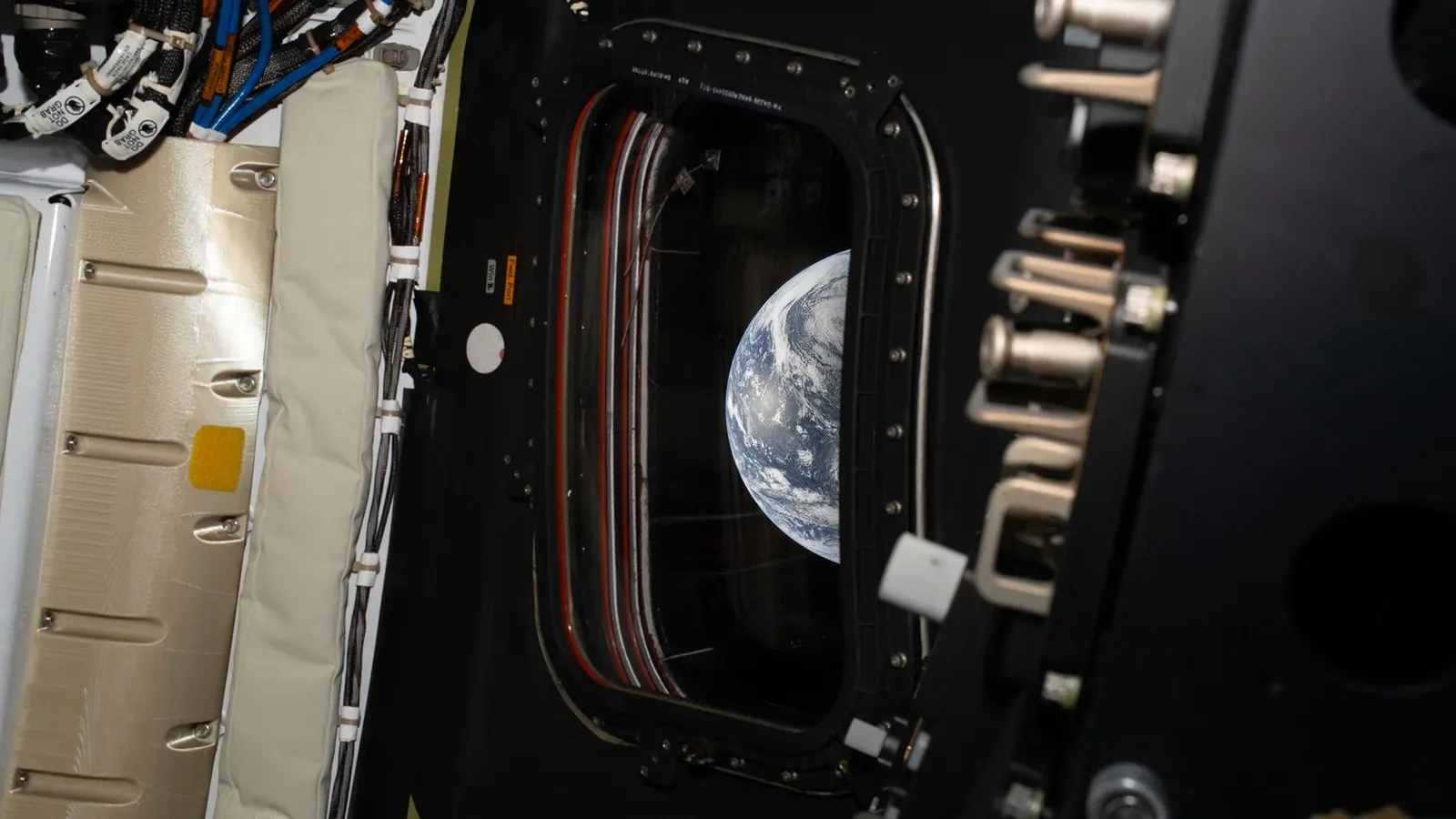
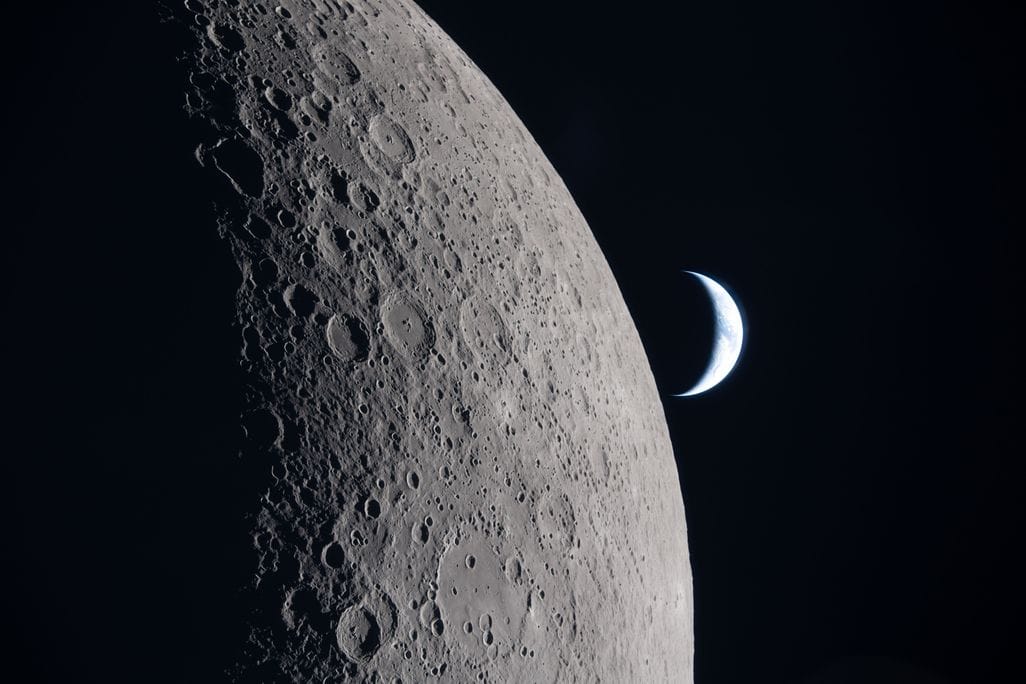
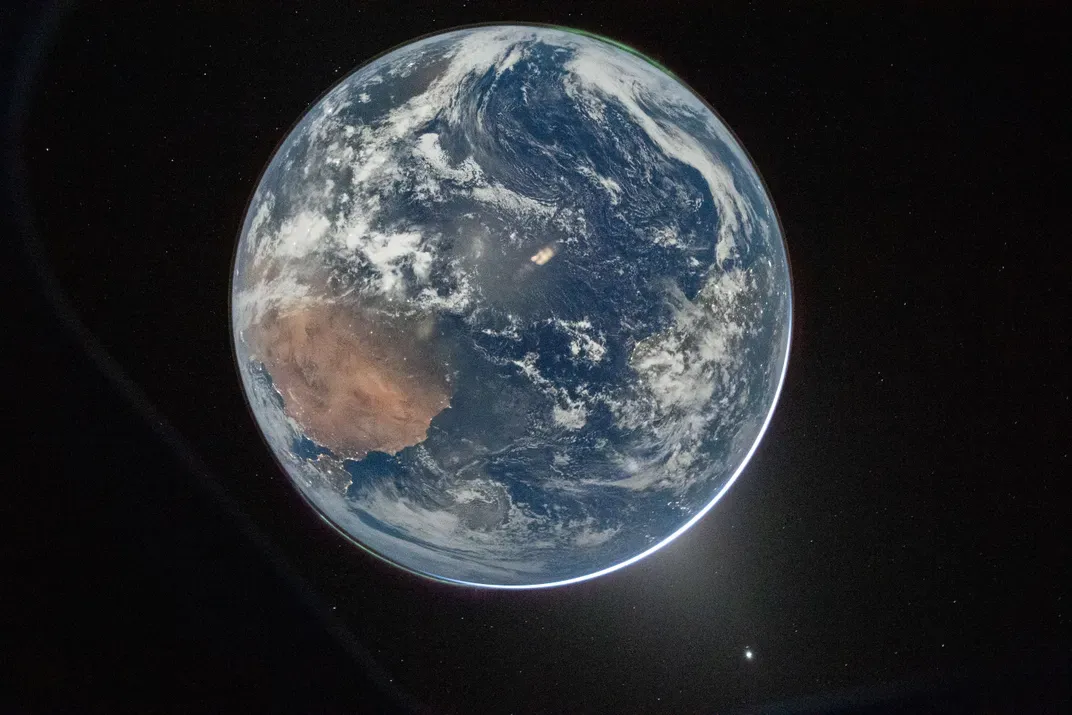
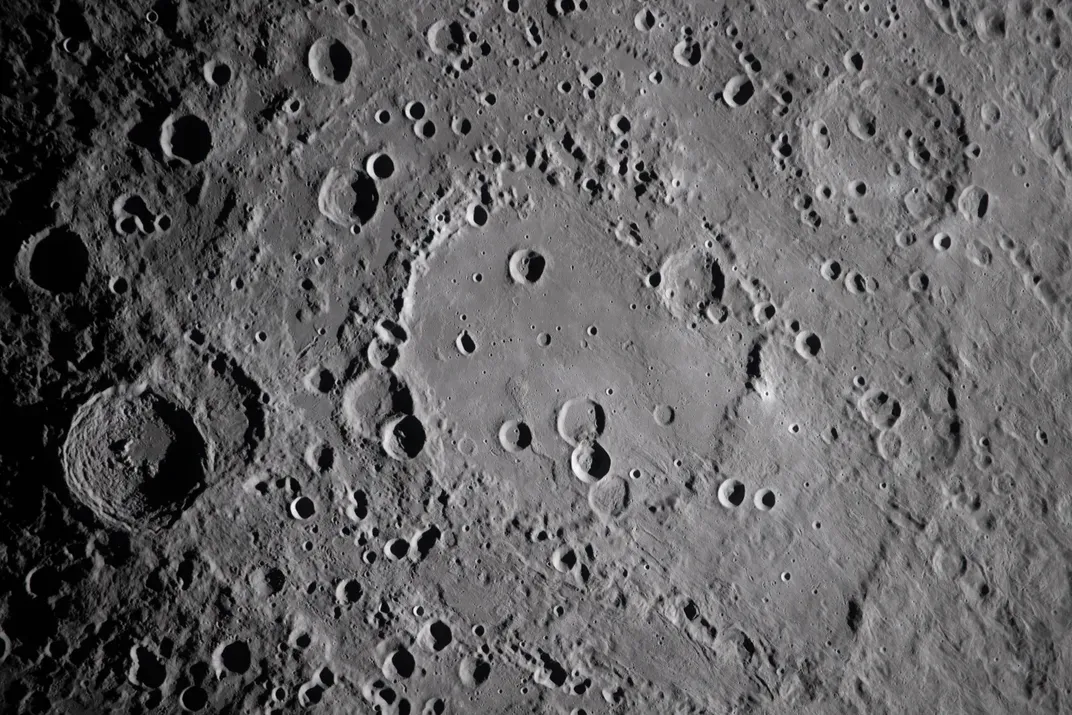
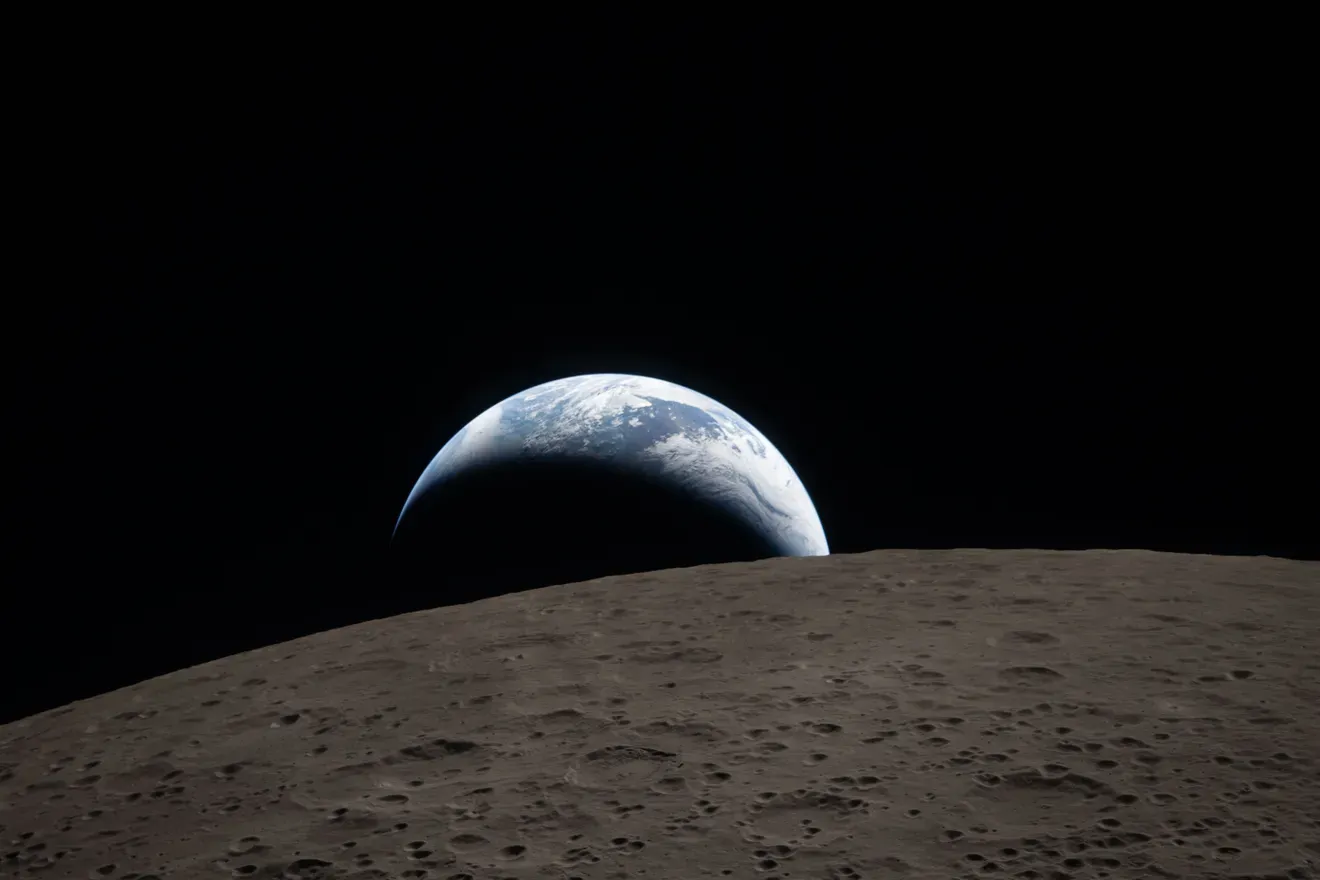
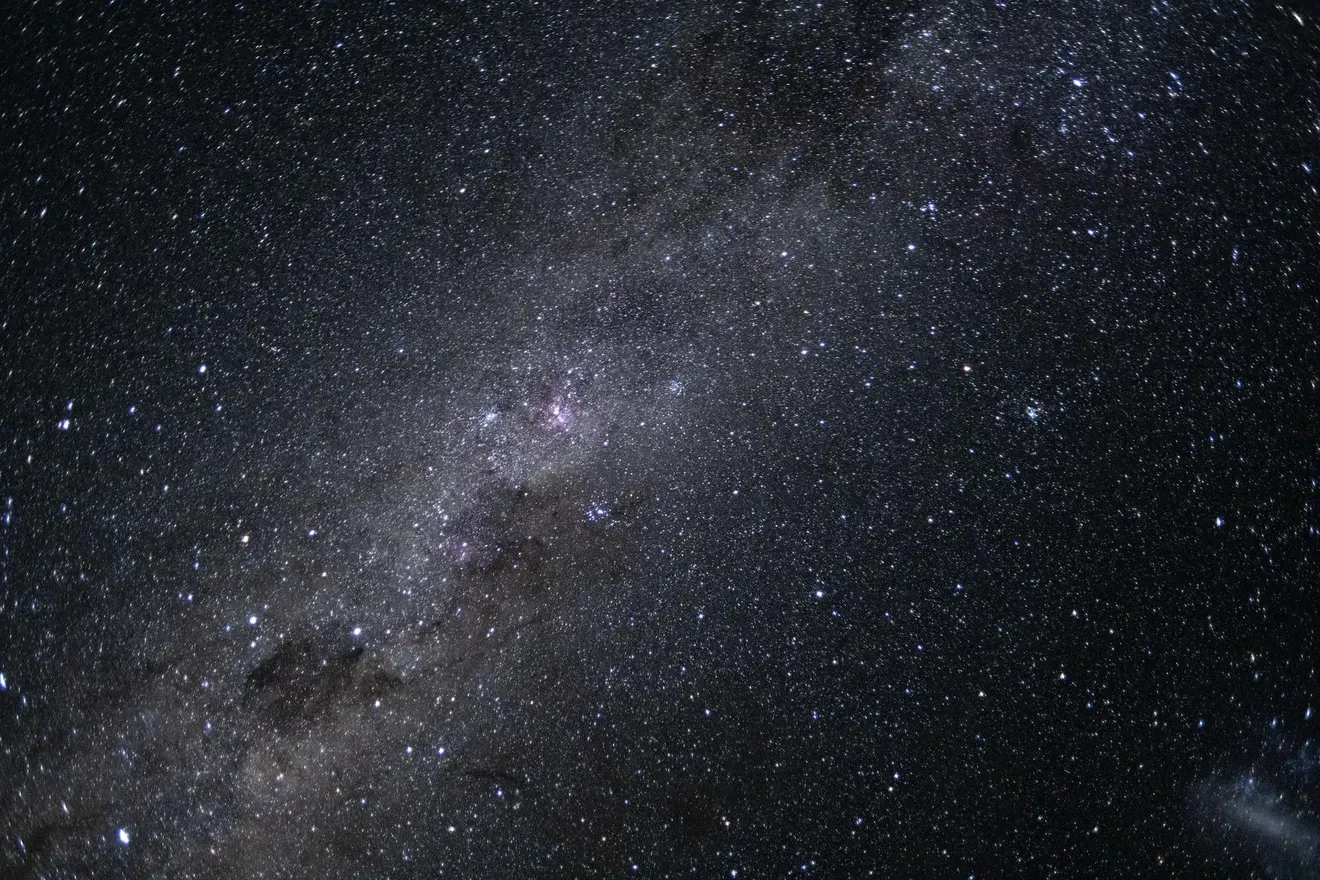
NASA uploaded a massive trove of new images taken by the Artemis II crew on last month's lunar flyby. The 12,000 photos show a raw glimpse of the earth through the lens of space. Here are some favorites.